
Texas Holdem Free Online Play for Australian Players Who Want Pace Without Pressure
A quiet Tuesday arvo in Brisbane, the kettle just boiled, and the river card still hasn’t landed – that’s the kind of unhurried rhythm that makes a free table worth keeping around. When you strip the buy-in and stack the practice mode, texas holdem free online play becomes less about chasing a payout and more about reading a table, timing your bets, and letting the software do the heavy lifting. I’ve spent enough time wiring prediction-market feeds and exchange APIs to know when a platform is built for repetition rather than flash, and the right free room should feel like a well-oiled workflow: quick to load, honest with the rake display, and forgiving enough to let you test a bluff without burning a lunch break.
What the free tables actually offer day to day
The core of texas holdem free online play sits on a no-deposit sandbox where fake chips carry real learning value. You get the standard ring-game layout, a handful of multi-table tournament simulations, and a lobby that sorts by speed rather than by a wall of pop-ups. The distinguishing traits are the pace controls, a transparent hand-history log, and a clean mobile layout that doesn’t demand you pinch-zoom through every street. For everyday usability, the registration is a short form, the lobby loads in under a few seconds on a decent connection, and the support team answers in plain English rather than scripted deflection. It’s the sort of setup that fits between a commute and a coffee, not a half-day commitment.
If you want a change of scenery after a few hundred practice hands, chicken road 2 over at chicken road 2 gives the same kind of uncluttered lobby feel, just dressed in a different theme and pace. The free lobby itself keeps the experience tight by limiting distractions and letting you filter tables by blind speed, player count, and whether you want a sit-and-go or a rolling multi-table event. That kind of sorting matters when you’re treating the session like a drill rather than a night out, because you can repeat the same spot three or four times and actually notice what changes.
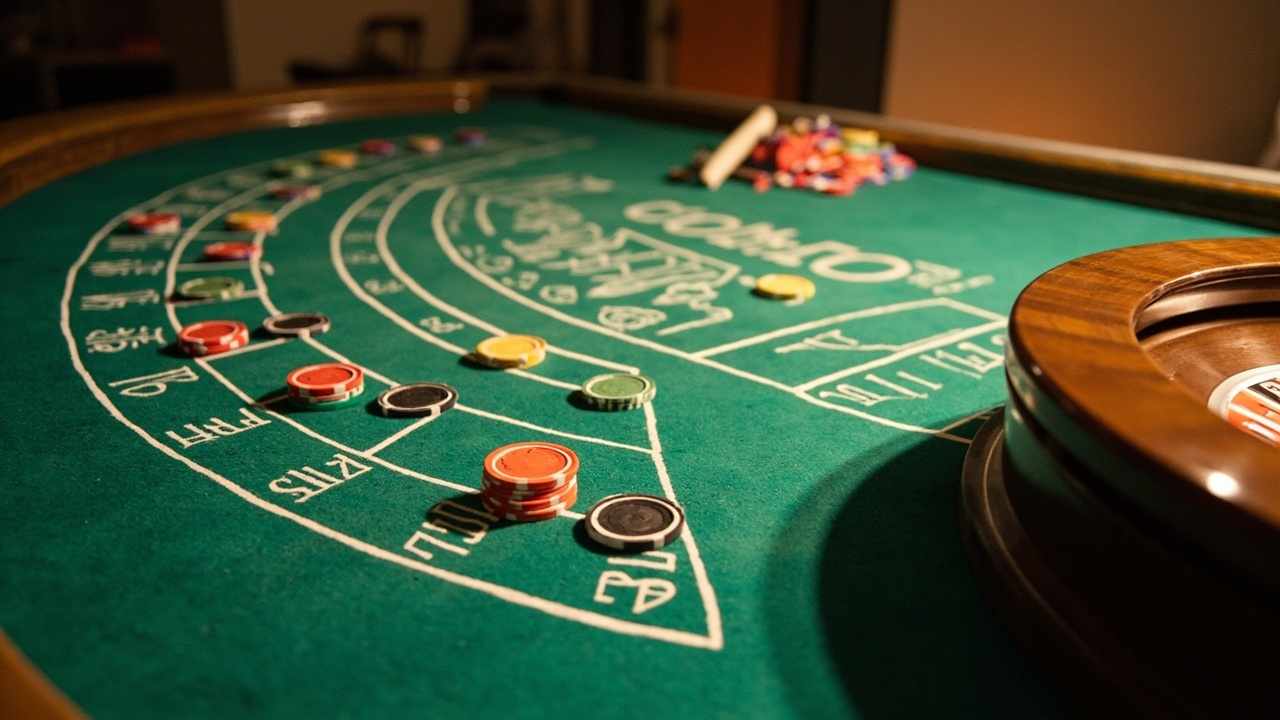
How the free mode compares on discipline and pace
Olympic discipline isn’t about moving fast for its own sake; it’s about repeating the same clean motion until the noise falls away, and that’s the comparison I keep coming back to when I judge a free poker room. The best free tables let you set a timer, review the last twenty hands, and spot where your bet sizing drifted without a single real-dollar consequence. That’s a different priority from the usual loud lobby that pushes quick rebuys and flashy side games, and it shows in how the software handles session length and table turnover. You can play a slow grind or a fast multi-table drill, and the interface doesn’t punish you for switching between them mid-session.
The way the free tables pace themselves reminds me of the same kind of automation discipline I’ve used when wiring sports-workflow feeds – you want the system to handle the routine so your attention stays on the decision, not the buttons. A few everyday moments make that obvious: watching the Brisbane river swell after a storm and realising a patient caller is still sitting there on the turn, or hearing a local club shout over a Saturday footy crowd while you’re deciding whether to check or bet a marginal pair. The free room rewards that kind of steadiness because it doesn’t push you to rebuy the second you tilt; it simply lets you fold, reset, and try the same spot again with a clearer head.
The betting-infrastructure side most free rooms skip
Most free rooms treat the lobby as a display and the hand as a cartoon, but the better ones borrow from exchange-style thinking: clear price signals, visible action, and enough structure that you can read the table instead of guessing at it. I’ve built enough automated sports workflows to know that a good interface gives you the data you need in the order you need it, and that same logic shows up when a free table surfaces bet sizing, timing tells, and hand-history sorting without burying them under animation. It’s not about turning poker into a dashboard; it’s about letting the software carry the routine so you can focus on the read.
That infrastructure mindset is exactly why I’d rather spend an arvo on a free table that logs every street cleanly than on a glossy lobby that looks busy but hides the basics. If you’re keen on how live table action and casino-style pace can sit side by side, VIP-казино и live craps: возможности CrownSlots для игроков из Австралии live craps options is a related piece that touches on how live dealer tables handle pace and visibility for Australian players. The free poker room keeps its own lane, but the principle is the same: when the interface shows the action clearly, you spend less time clicking around and more time reading the hand.
What Australian players should weigh before settling in
No free room in this space is licensed or regulated for casino play in Australia, so the practical question is whether the lobby is honest about what it is and whether the practice environment actually teaches you something. The right fit depends on how you use the table: a quick lunch-break drill, a longer evening review, or a multi-table session that tests your attention span. Payouts and real-money play are a separate conversation entirely, and free mode is only ever a rehearsal, not a shortcut to guaranteed results. Treat the chips as a measuring tool, not a promise.
| What to check | Why it matters | What a decent free room does |
|---|---|---|
| Table sorting by speed and size | Lets you drill the same spot without noise | Filters for blind pace, player count, and event type |
| Hand-history log | Shows where your sizing or timing drifted | Stores recent hands in a readable, sortable list |
| Mobile layout | Keeps the session usable between errands | Loads cleanly without constant pinch-zoom or pop-ups |
| Support and clarity | Cuts through scripted deflection | Answers in plain English and explains the free mode plainly |
Olivia O’Brien, Head of Public Relations, Sunburnt Country Interactive, puts it straight: “Free tables work best when they’re honest about being practice, not a soft pitch to a deposit screen.” That’s the kind of line that matches what I look for when I judge a platform – clarity over gloss. Leo Williams, Customer Experience Lead, Capital Territory Gaming Forum, adds a useful caveat: “If the free mode doesn’t let you review your own hands without digging, it’s more decoration than drill.” Both points land because they describe the difference between a room that teaches and one that just fills time.
The best free sessions are the ones that leave you with a clearer read on your own habits, not a full wallet of pretend chips. If you want a quiet Brisbane evening with the kettle on and a table that lets you repeat the same decision until it sticks, texas holdem free online play is worth a proper look – provided you treat it as practice, keep your expectations level, and don’t mistake a sandbox for a sanctioned casino.